
Emergency Preparedness
Humanity First Canada introduces a comprehensive guide to help households build 72 hours and 30-day emergency reserves, ensuring safety, health, and self-reliance during unexpected events. Calculate quantities for your personalized emergency pack.
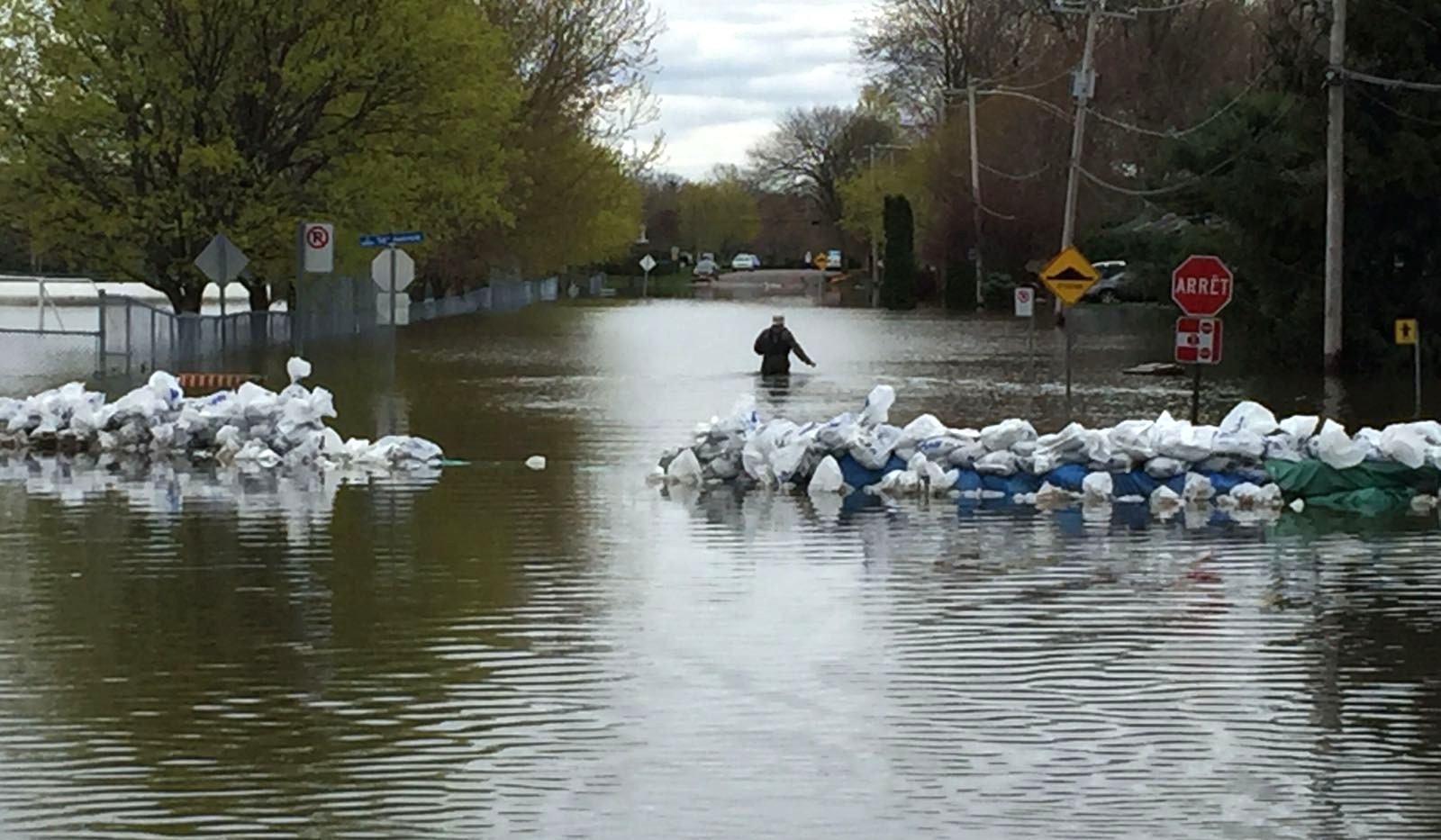
At Humanity First Canada, we believe that building resilience begins at home. We are pleased to introduce our Emergency Preparedness Handbook, a practical and inclusive guide designed to help households across the country navigate emergencies with confidence. While many are familiar with the standard 72-hour preparedness baseline, our handbook encourages a gradual, ongoing approach that scales toward a 30-day extended-reserve model.
Essential Planning for Water and Food
Water security is a cornerstone of any emergency plan. Following Health Canada recommendations, we advise a reserve of 4 litres per person per day—2 litres for drinking and 2 litres for cooking and cleaning. It is vital to store this water in food-grade containers away from sunlight and chemicals, rotating your supply every six months. For food, we recommend a meal-based approach using familiar, non-perishable items that respect your household’s dietary and cultural needs. Start with a 3-day ready-to-eat supply and a manual can opener, gradually building toward a 30-day rotating pantry.
Prioritizing Health and Safety
Maintaining continuity of care is essential. We urge individuals to work with their pharmacists and healthcare providers to secure a 30-day supply of prescription medications and backups for medical devices. Our guide also provides specific adjustments for infants, older adults, individuals with disabilities, and pets. Furthermore, we emphasize strict safety protocols: never use fuel-burning generators, barbecues, or camp stoves indoors to avoid carbon monoxide poisoning, and ensure your smoke and carbon monoxide alarms are tested monthly.
Communication and Response
In any crisis, official instructions, public health advisories, and evacuation orders must always take priority. Households should stay informed using wireless public alerts, local radio, and official weather apps. We recommend preparing a portable 72-hour grab-and-go kit containing identification, cash, and basic first aid. Remember, the response sequence is a process: assess immediate danger, monitor your resources, support your neighbours safely, and evacuate promptly when instructed.
Preparedness is a journey, not a one-time task. We invite you to review our handbook and begin building your household’s resilience today to ensure the safety of your loved ones.
Click the link below to calculate the items and their quantities to prepare your emergency pack based on the duration.
Your gift helps Humanity First continue this work.
Don’t miss our monthly updates
Field stories, campaigns and volunteer opportunities, once a month.